Homeschooling is booming, and it is difficult for families to provide ensemble music education in a home-centered model. Quality homeschool music programs are needed and wanted across the country.
The Case in Three Lines
- Major premiseHomeschooling is booming.
- Minor premiseIt is difficult for families to provide music education in a home-centered model.
- ConclusionQuality homeschool music programs are needed and desired across our country.
We have an opportunity in front of us to create programs that serve a population in our communities that is committed to investing in education.
Who Are Home-Centered Students?
Homeschooling refers to a home-based private educational program not administered or controlled by any institution.
Distance education covers online public and private schools, hybrid (part-time public) schools and virtual schools: education administered by an outside institution. Many families experienced this during the pandemic.
These are two distinct groups, but the students share two things:
- They are educated mostly at home.
- They need music education, the kind that band, orchestra and choir can offer.
The Numbers
Many families started homeschooling out of necessity during the pandemic and found the model worked well for their children. Homeschool statistics do not even include students in virtual or online schools. Together, that is roughly four million students learning at home.
Sources: National Home Education Research Institute, 2026; Chalkbeat analysis of federal data, 2026.
The bottom line: your community has a boatload of kids who want and need music education.
A Music Education Desert
Home education offers one-on-one tutoring, tailored curriculum and flexibility, and a student can always take private lessons. But most homeschool parents are not trained in music education, online music classes are few and not very engaging, and access to school bands and choirs during the day is often non-existent or conflicts with co-ops. Many homeschool families have given up one income and have several children.
So much of the value of music happens in community. Making music with others, working toward a common expression, is invigorating to the soul.
A Word About Socialization
Homeschool families foster social opportunities as carefully as they choose their math curriculum: co-ops, 4H, scouts, sports, drama, robotics, church and more. A homeschool music program answers the two biggest barriers families have faced: connecting with other families nearby, and overcoming the stereotypes of friends and relatives.
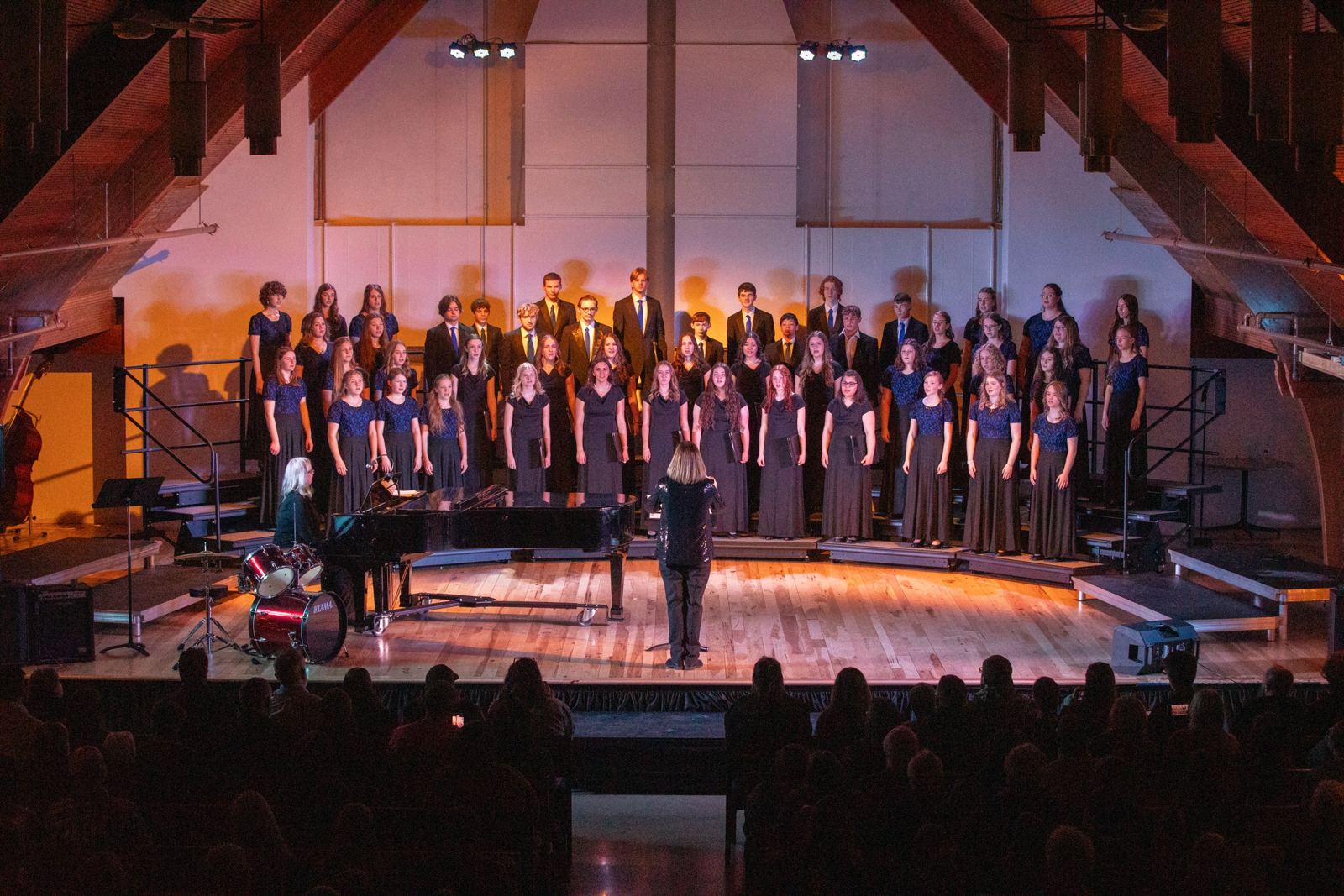
That feeling when kids hang out in your music room before school and revel in being together? That's Troubadours. That's the whole day.
The Freedom of Being Independent
An independent program starts without a music room, stands, percussion, uniforms, library or budget. The benefits outweigh what you lack in "stuff." Parent buy-in is unlike anything in a school setting: the parents in the back of the room become your advocates and your coworkers.
Anyone 10 or older can join a beginning band or orchestra, which encourages mentoring and raises engagement. And there are no bells, no hall passes, no faculty meetings and no report cards. You are free to just teach.
You may rediscover the joy of teaching music with these modern-day troubadours. Millions of kids need this music education paradigm. Maybe so do you.